Love at First Photo
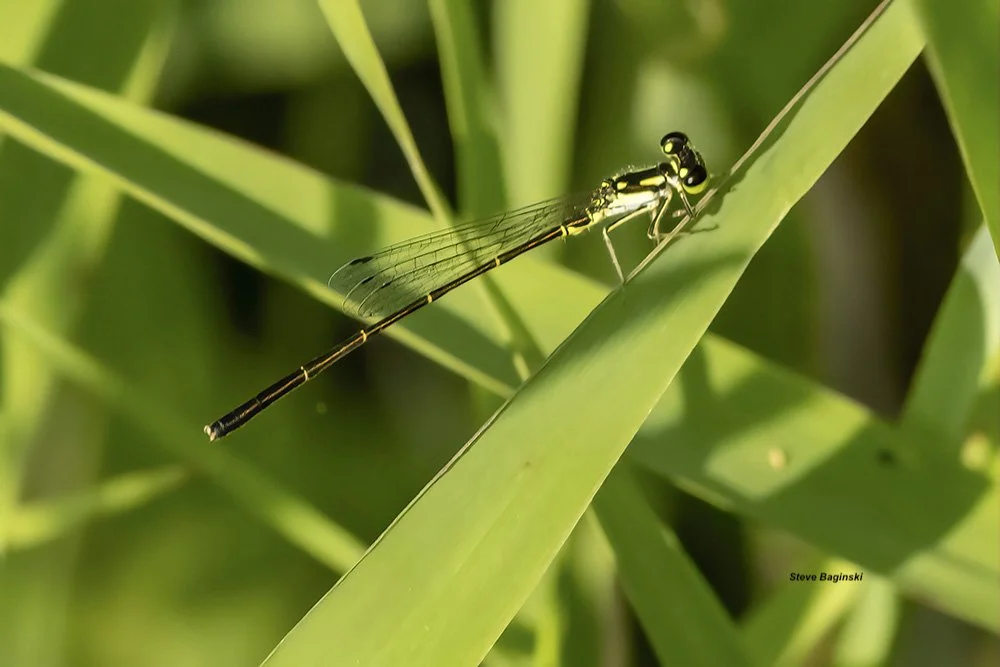
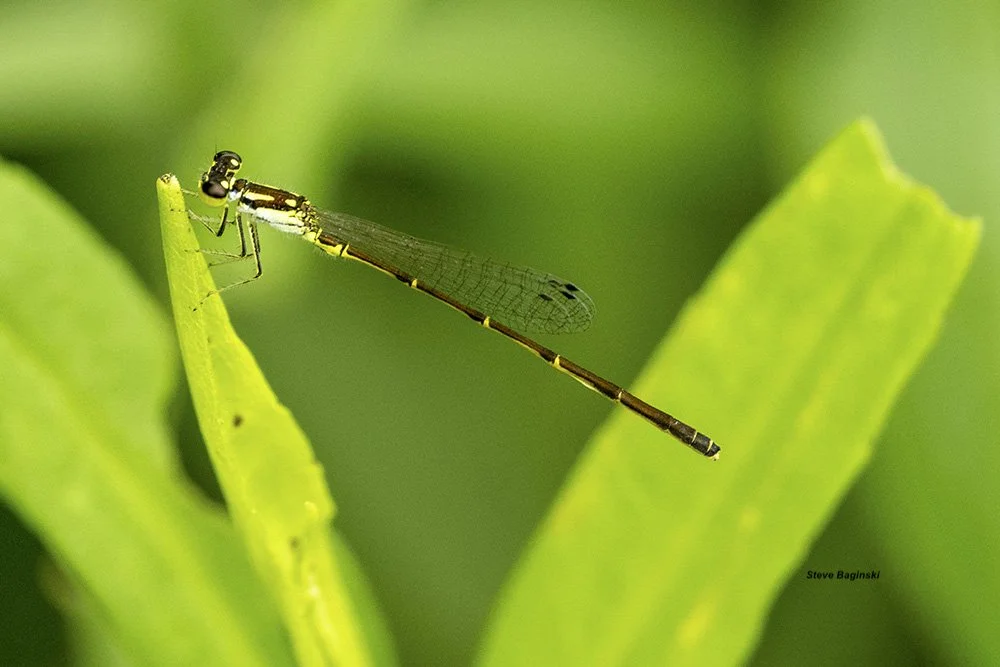
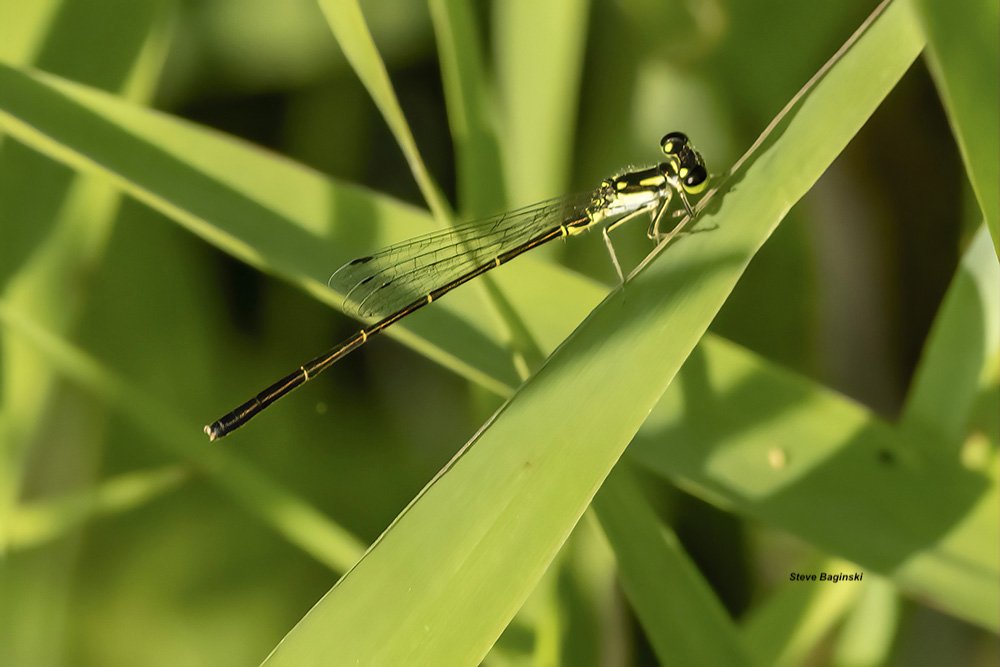
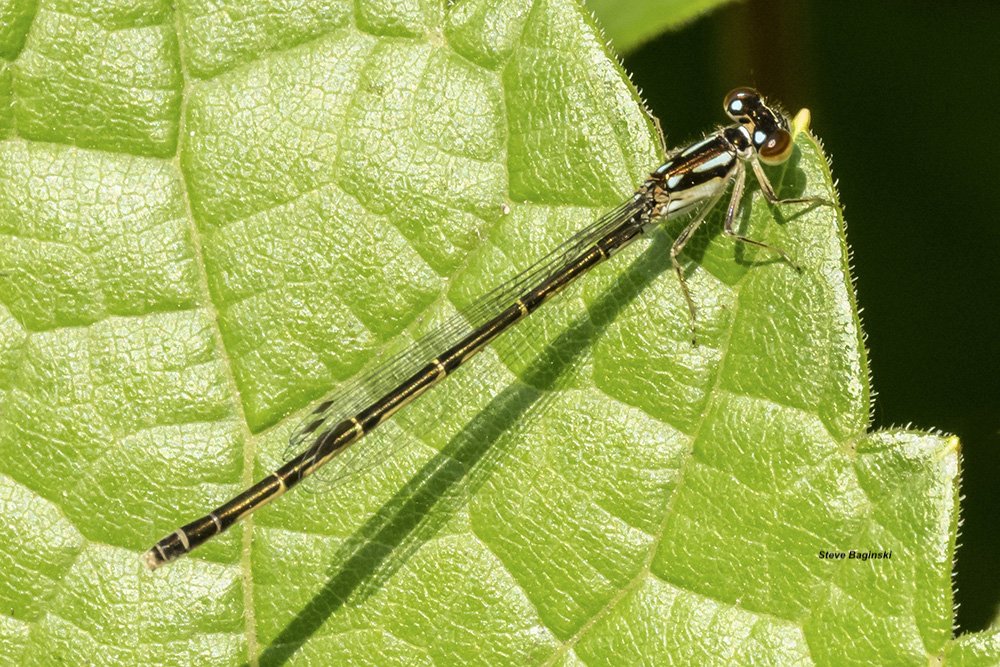
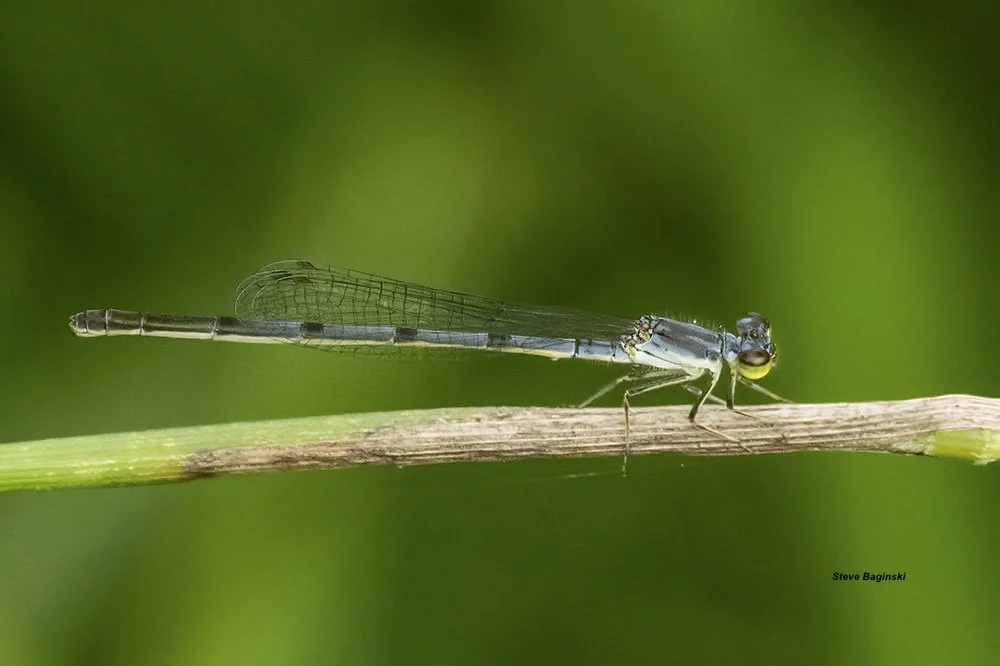
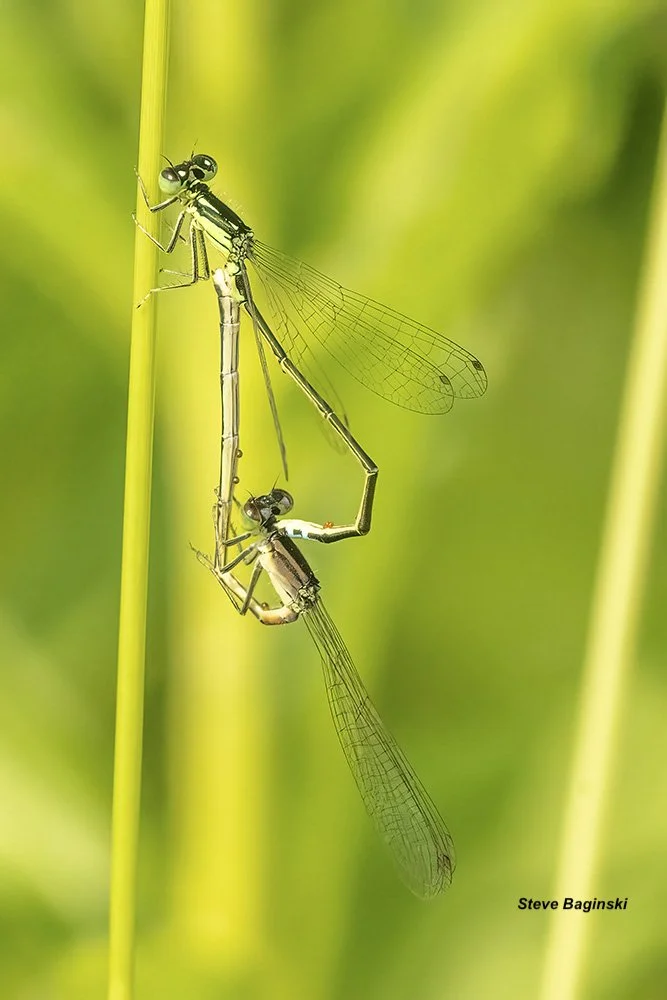
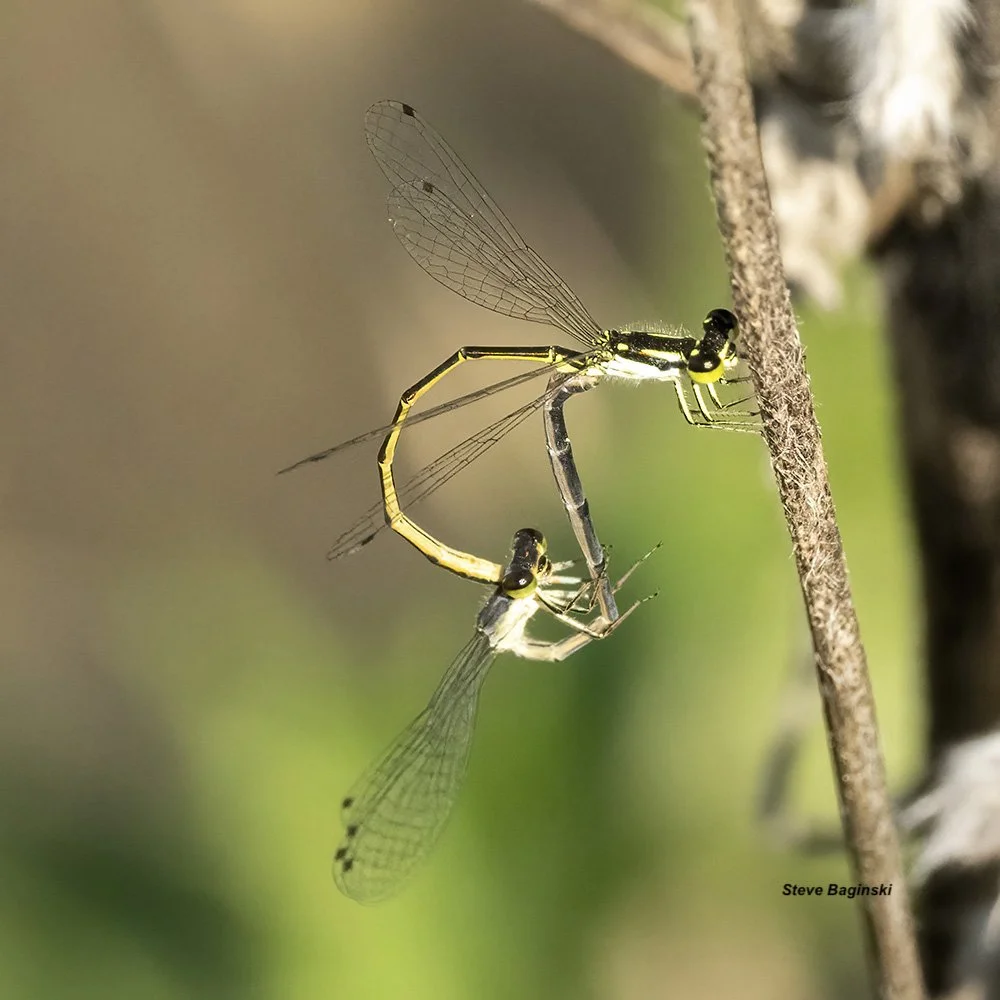
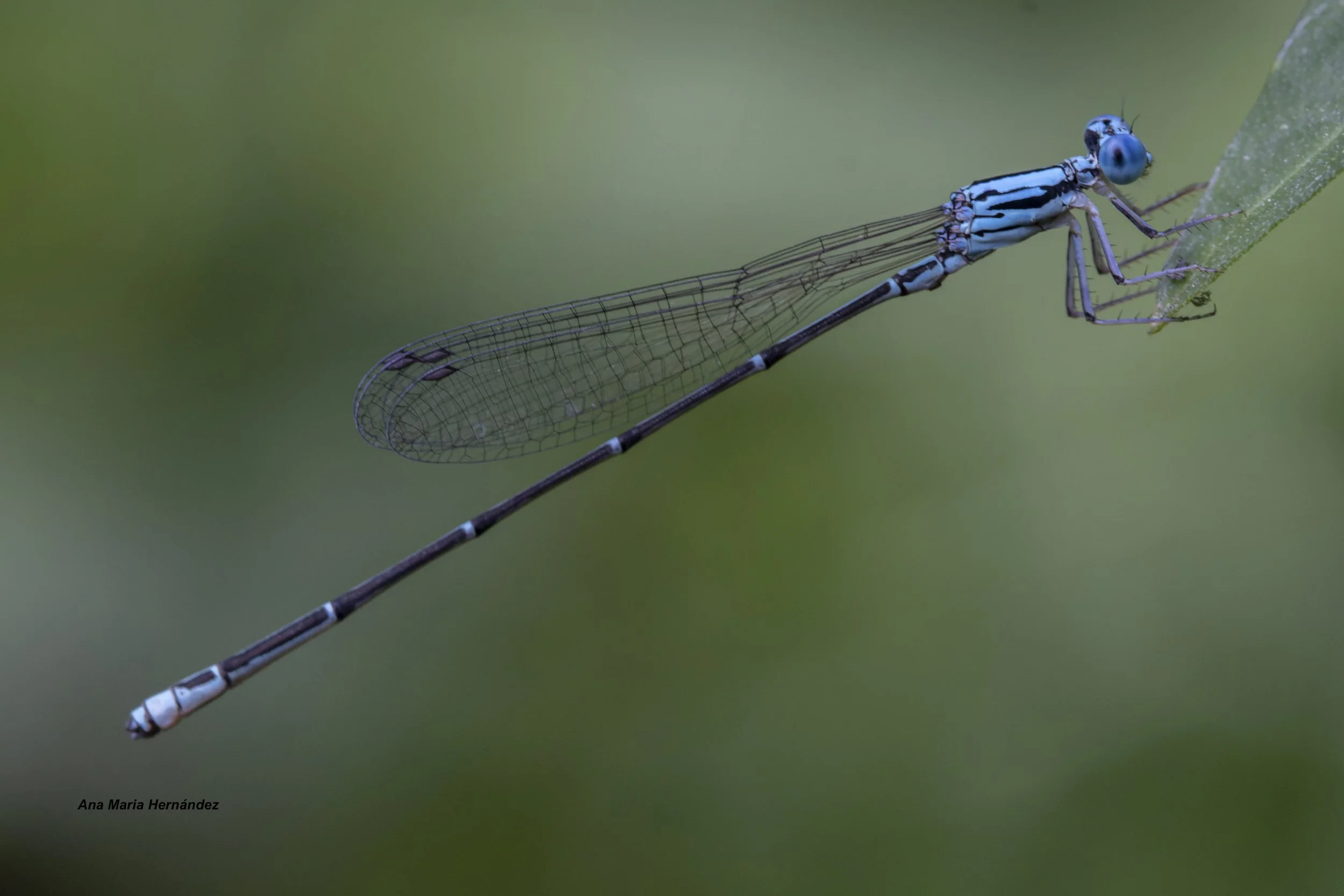
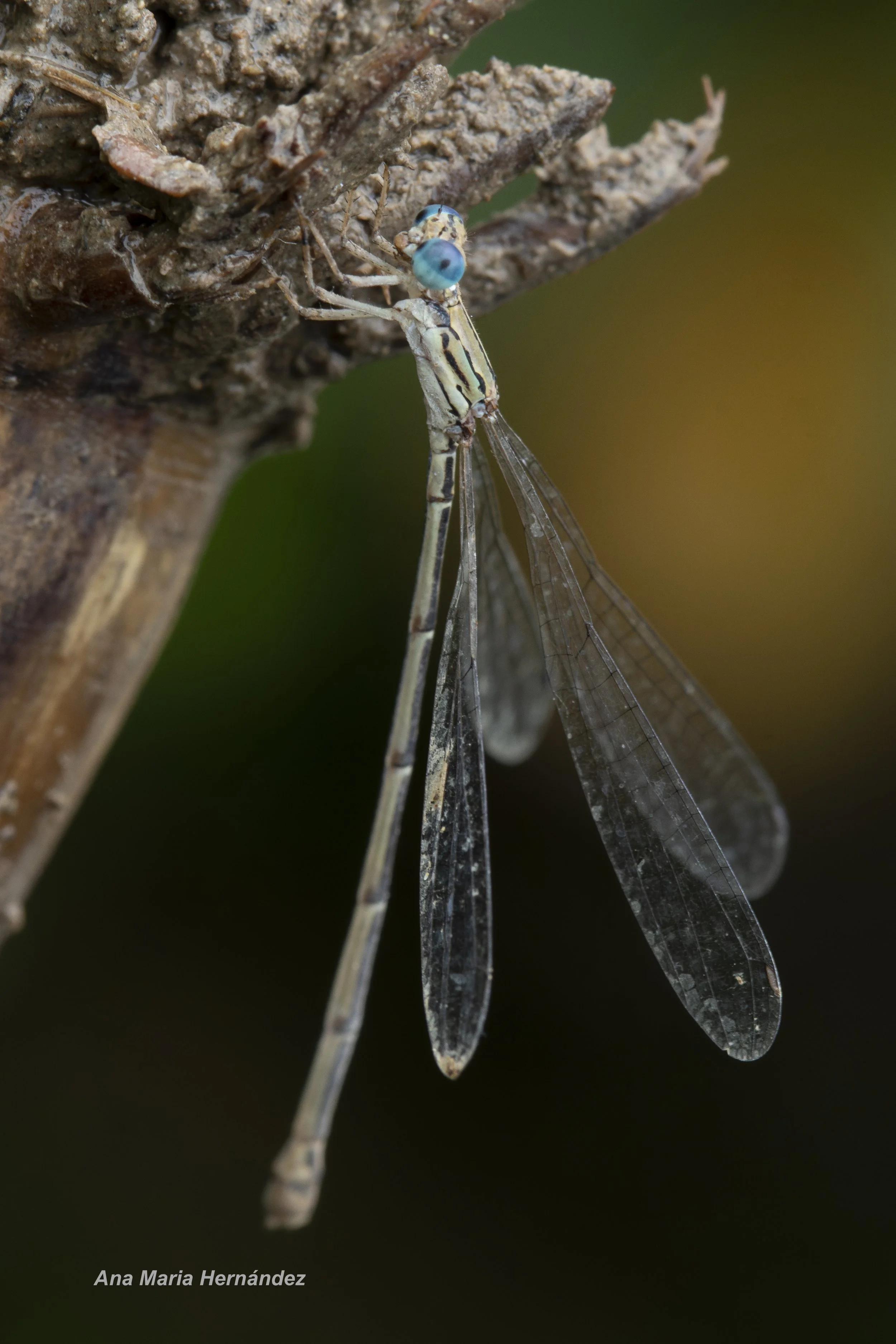
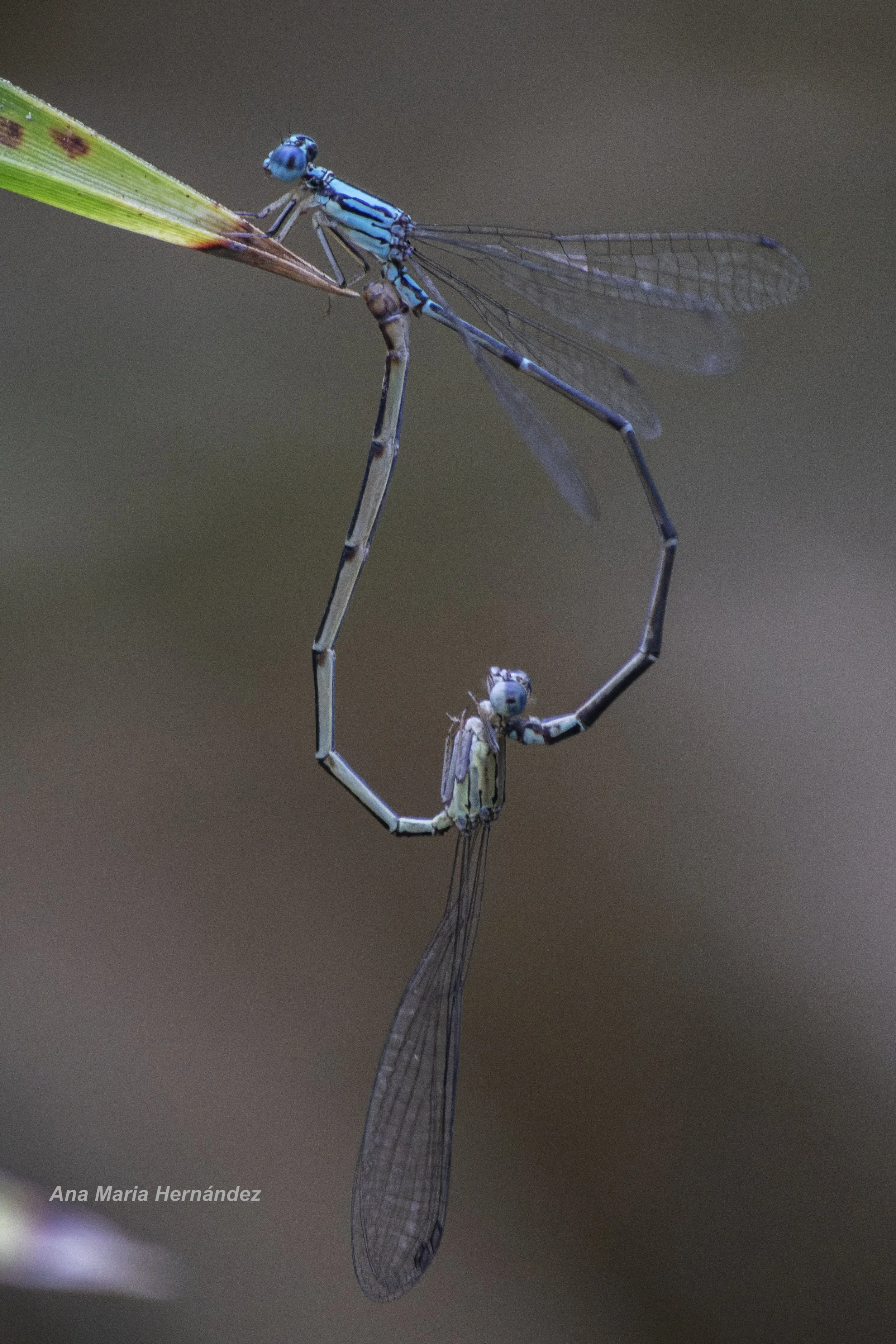
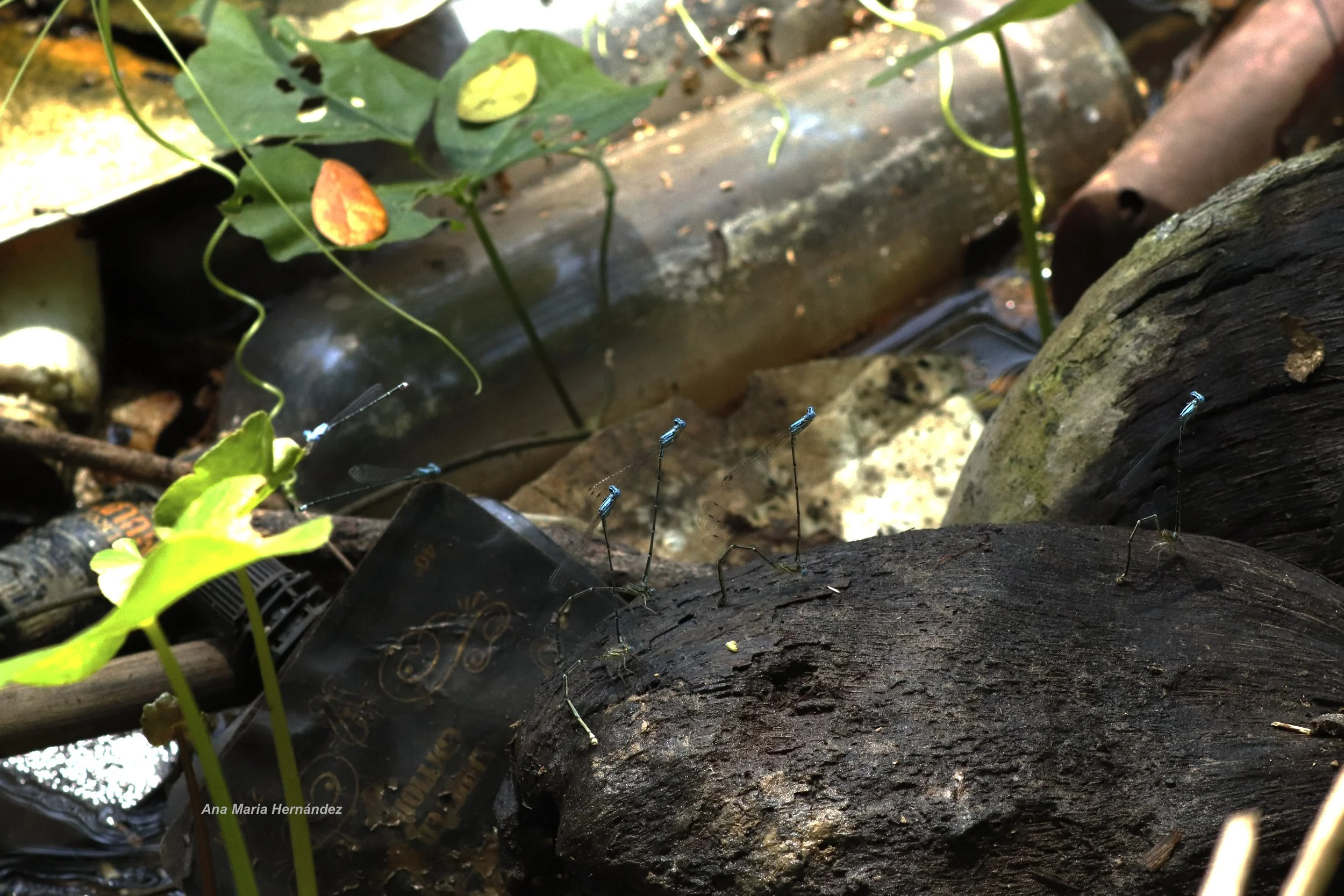
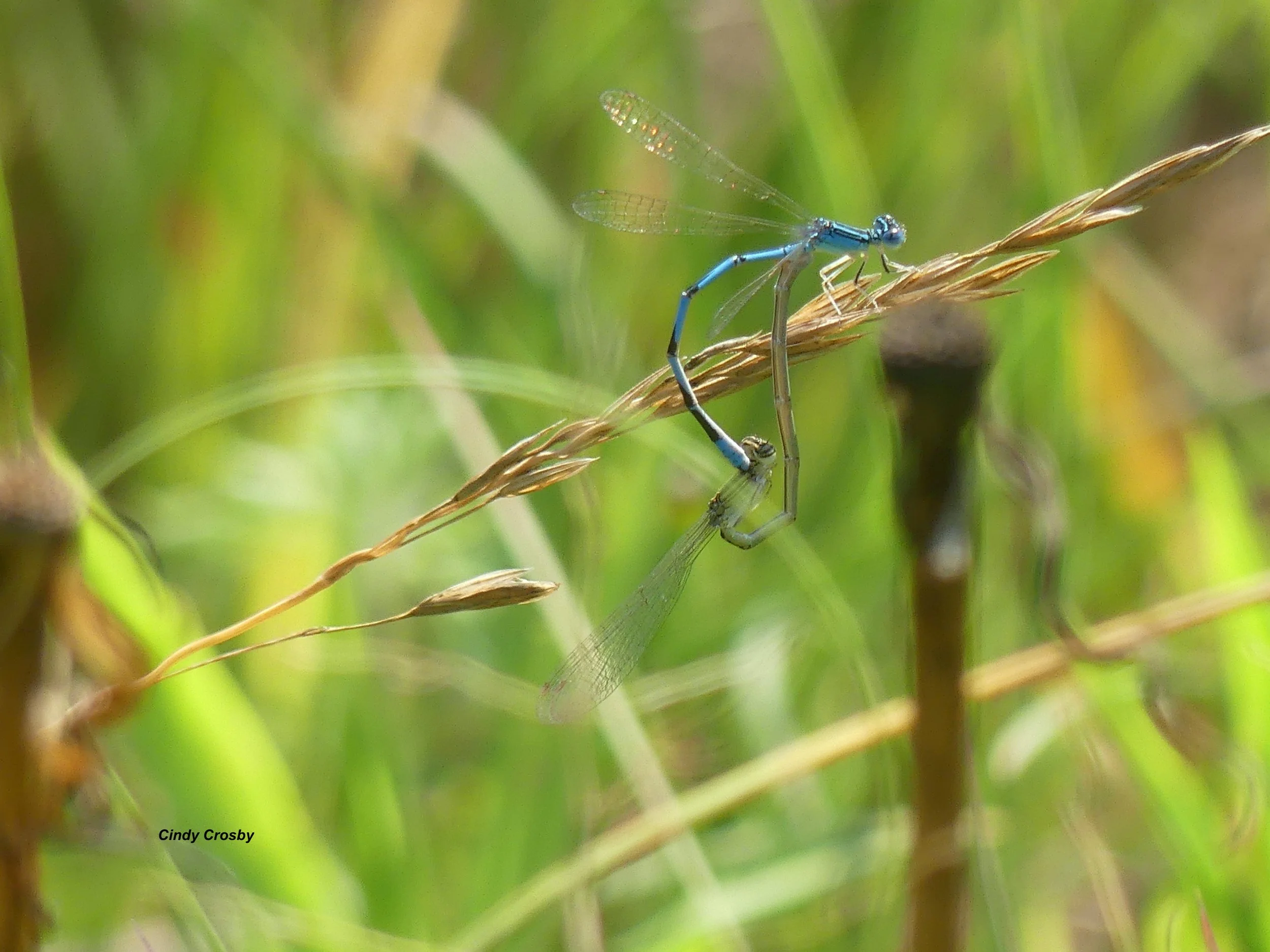
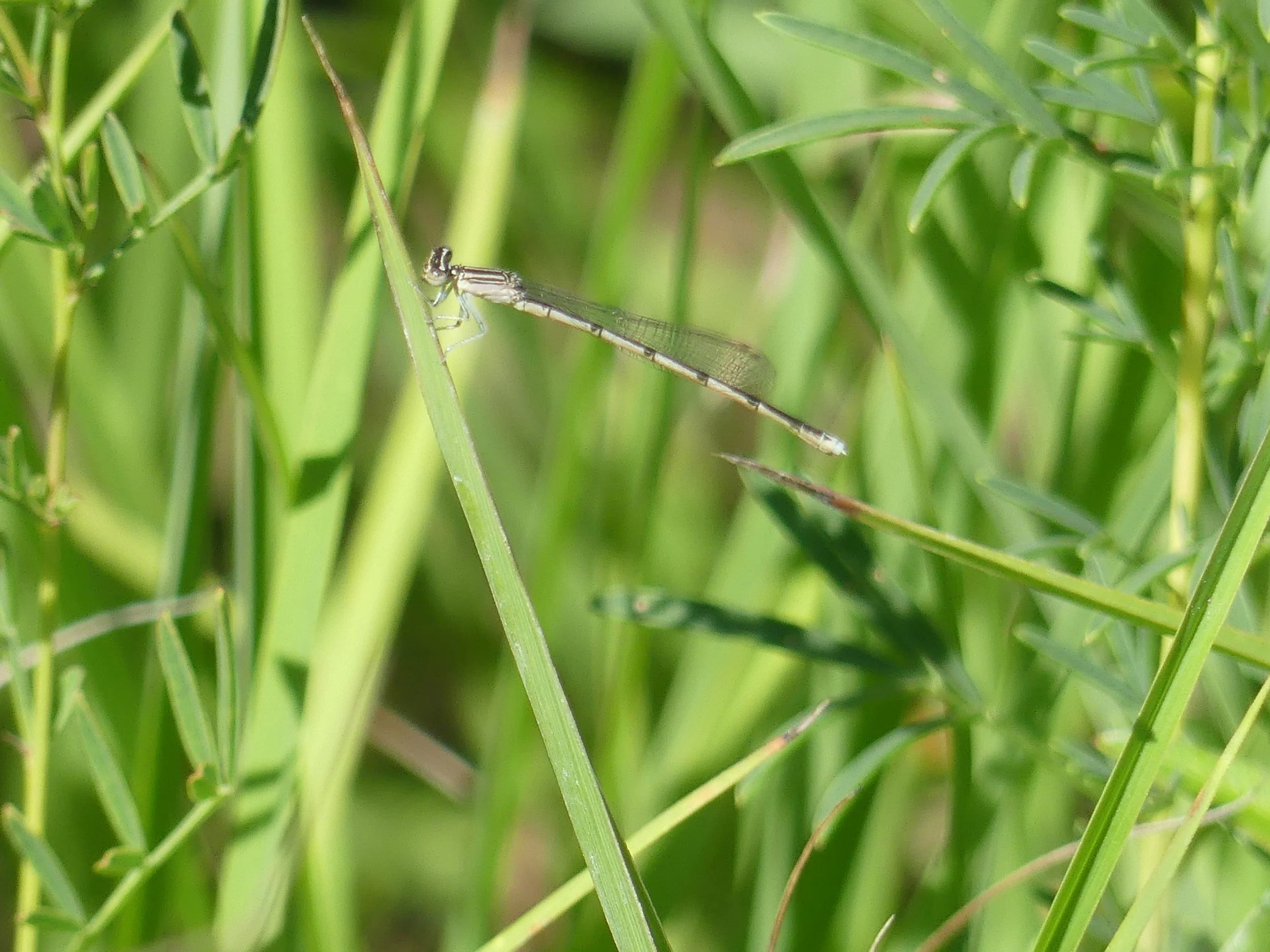
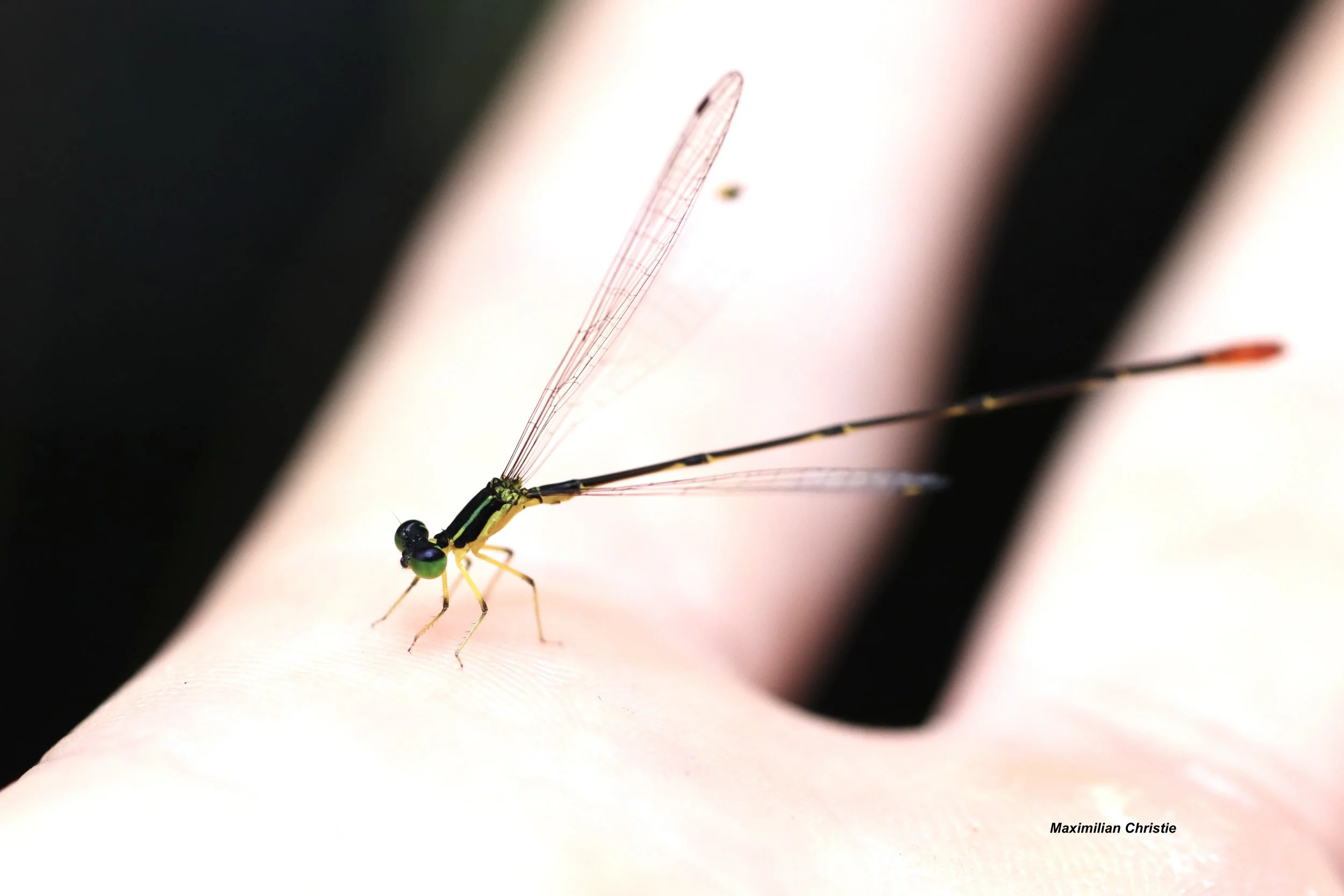
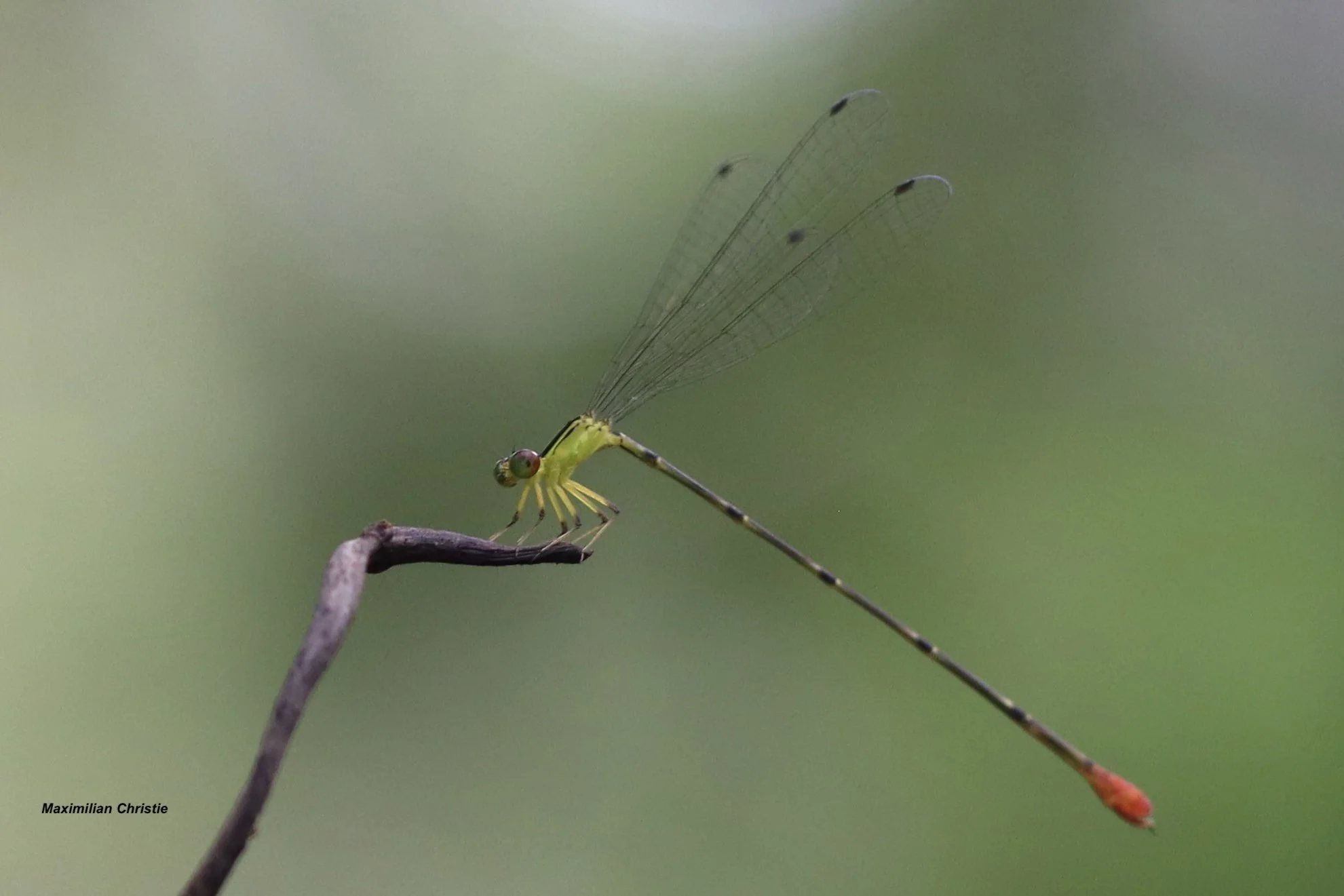
My first encounter with Neoneura maria changed my life.
It came after a long journey. For 21 years I worked in biotechnology, dedicated to cancer research, a field that brought me immense satisfaction. But since childhood, my passion has always been animals and their conservation. After years of wavering between continuing a successful path or pursuing my dream, I mustered my courage and embarked on a fresh start in the fascinating world of biology.
That's how I arrived at the Faculty of Biology at the University of Havana, Cuba, joining the Genetics for Conservation group. There, I began collaborating on various projects within the Entomology Group. I still did not have a clearly defined path for myself.
Then I met Dr. Adrian Trapero, an Odonata specialist and now my mentor and friend. He was writing a book about Cuban dragonflies and needed photographs. Dr. Trapero asked for my help because my husband, a professional photographer, had a camera and lens that we thought would be suitable that I could use.
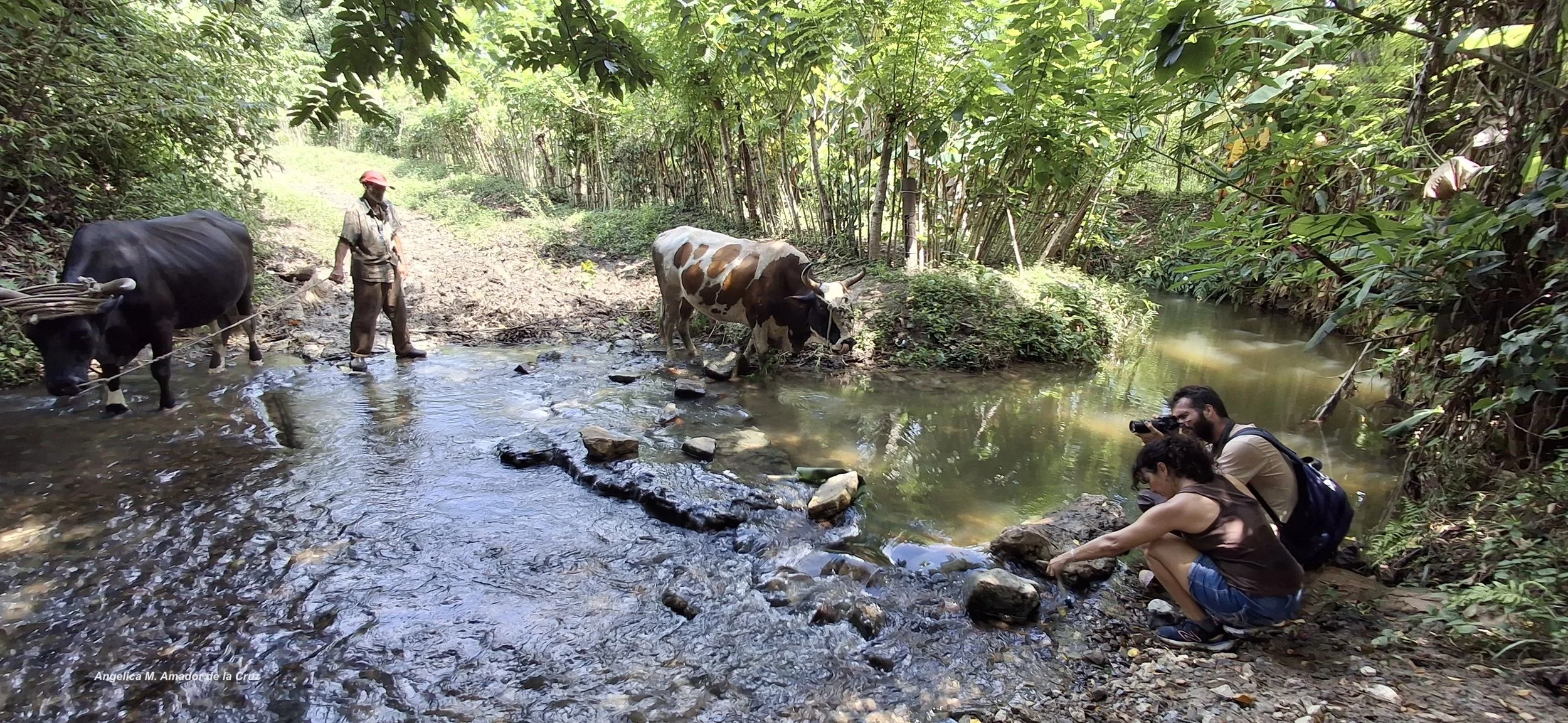
My husband gave me the basic instructions for taking a photo without knowing anything about the characteristics of our “model”, and Dr. Trapero and I agreed on a date for the excursion. At that time, I only had a very basic understanding of damselflies and didn't know any of the Cuban endemic species. But I did know that they generally inhabited pristine, shady mountain rivers. So I was surprised when Dr. Trapero suggested looking for it at a river in a green, semi-urban area, on the outskirts of Havana. It was still in part of the city, with the consequent influx of people, accumulation of trash, and pollution from household waste. "Neoneura maria is the most resilient of our endemic species," Dr. Trapero explained to me. "It's the only endemic species that exists in all parts of Cuba, even in Isla de la Juventud." (Isla de la Juventud is a small island isolated from the main island.) After passing by a housing settlement, we followed a rural road that crossed a railway line. The road was occasionally interrupted by small streams, where children bathed and livestock drank.